
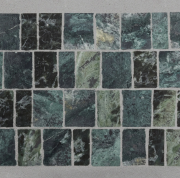
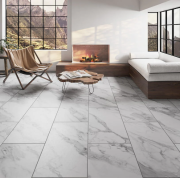
Marble tile2
Check the prices after logging in
Origin & Character: Acacia wood comes from Australia, also found in the Pacific Islands, Asia, and Africa.
Appearance: Rich mix of medium-to-dark brown heartwood with vibrant reddish-orange tones and light yellow highlights, creating a dramatic, one-of-a-kind look.
Plank Length: Naturally limited to 3–4 ft boards.
Construction: Built with 5-layer engineered structure and tongue & groove profile, featuring natural splits, knots, and burls for authentic texture.
Finish & Warranty: Durable low-luster finish, backed by a lifetime residential finish warranty for worry-free enjoyment.
Certifications: Certified CARB Phase II and Lacey Act compliant for environmental responsibility.
Specification
17
Usage Scenario
Bedroom
Galvanized steel frame structure, with aluminum sheet as the outer shell, insulation layer (polyurethane expansion board), rock wool, glass wool tiles (8 + 12A + 8 thick low-emissivity coating)
Living room
Auminum exterior panelceling &wal, stone plastic composte floor, Whole houseligthting system, Whole house plumbing&electrical system.
Baths
Aluminum alloy glass door, Premium brand showerhead, sink Washbasin, bathrom
Contact Us
Our Headquarter
Get in touch
FAQ
What are the differences between quartz stone and natural marble?
1.Material: Quartz stone is engineered with 93% natural quartz crystals & eco-resin; marble is natural carbonate stone with soft, porous texture.
2.Stain Resistance: Quartz has non-porous compact surface, resisting oil & sauce penetration; marble absorbs stains easily and gets etched by acid liquid.
3.Hardness: Quartz (Mohs 6-7) resists scratches from cutlery; marble (Mohs 2-3) marks easily in daily use.
4.Application: Ideal for kitchen countertops, window sills & flooring; marble fits low-traffic wall decoration only.
Will quartz stone countertops stain or yellow?
High-density premium quartz will not stain or yellow under normal use.
Yellowing & penetration only happen on low-quality loose quartz: its inner pores trap oil & pigment. Harsh bleach/acid cleaners or constant high-temperature hot pans will also damage the surface resin layer.
Wipe spills timely, avoid long-term direct high heat, and do simple regular maintenance to keep the slab bright permanently.
Can hot cookware be placed directly on quartz stone?
We do not recommend placing boiling hot pans directly on quartz.Quartz tolerates short heat exposure, but sustained temperature over 180℃ will age, crack and discolor the surface resin. Always use heat trivets for hot cookware to extend countertop lifespan.
How to do daily cleaning and maintenance of quartz stone?
1.Daily cleaning: Wipe with warm water & neutral dish soap, rinse and dry with soft cloth.
2.Tough stains: Apply toothpaste or specialized stone cleaner for 3 mins, scrub with soft sponge.
3.Forbidden tools & chemicals: Steel wool, strong acid/alkaline detergent, bleach.
4.Long-term care: Seal the slab with stone sealer every 6–12 months for better stain resistance.
What should be noted during the installation of quartz stone countertops?
1.Cabinet support: Base cabinets must be flat & solid; add reinforcement beams for spans over 60cm.
2.Backsplash gap: Leave a 5mm expansion gap against walls, fill with mold-resistant neutral silicone to prevent cracking from thermal expansion.
3.Cutout design: All sink & cooktop cut corners must be rounded to avoid stress cracks from sharp angles.
4.Seam joint: Use same-batch slabs, keep joints within 0.5mm for nearly invisible polished lines.
What are the standard thickness specifications for quartz stone slabs and what are their respective applications?
1.20mm Standard: Main kitchen countertops, kitchen islands & bar tops, strong load-bearing.
2.15mm Slim: Window sills, stair treads, flooring & accent walls.
3.12mm Ultra-thin: Decorative wall panels, cabinet doors & light-weight moldings.
Can small scratches and chipped edges on quartz stone be repaired?
Light fine scratches: Recover gloss manually with stone polishing cream & soft cloth.Small chip damage: Professional technicians fill & polish with color-matched quartz filler, leaving nearly invisible repair marks.Deep through-cracks cannot be fully fixed; slab replacement is recommended.
Is quartz stone eco-friendly and safe for homes with pregnant women and children?
Our quartz uses food-grade eco unsaturated resin, zero formaldehyde & zero radioactivity, certified by international stone safety standards for interior decoration.
Safe for direct food contact, widely used in kitchens, kids’ rooms and full-house flooring, harmless to elders, pregnant women and infants.